
Abstract: Natural and organic ingredients are not synonyms. Natural ingredients are derived from natural sources and are processed using chemical or physical methods that aim to minimise negative impact on the environment. Organic ingredients refer to their cultivation method, i.e. they have been produced according to the principles of organic farming: with limited use of synthetic fertilisers, growth regulators, pesticides and other additives, or simplified, they have been cultivated in a natural way. This may give the impression that both are a guarantee of safety, but this is not always the case. A major concern is the adulteration of natural and organic ingredients, which can be addressed through increased user awareness.
Jevsnikar A. Are natural and organic ingredients a guarantee of safety? Addressing the issue of adulteration. Cos ACTIVE J. 2025;3:15–21
INTRODUCTION
The terms “natural” and “organic” are increasingly becoming a casual description for every cosmetic product on the market. Cosmetic and personal care products that describe themselves as green, natural, eco-friendly, and organic also seem to be a marketing approach to attract customers. The implication is that these types of products are automatically sustainable, renewable, and safe (1). But don’t jump to conclusions because there is more to know than meets the eye…
AN OVERVIEW: NATURAL VS. ORGANIC
Natural and organic ingredients often seem like the same thing. But many of us who delve deeper into these marketing claims know that one is not synonymous with the other.
Natural ingredients are derived from natural sources and are processed using chemical, physical or microbiological methods that aim to minimise negative impact on the environment. These ingredients are chemical compounds that come from minerals, plants, fungi, animals or microbial kingdom (2). Interested readers will find additional aspects and challenges of natural in cosmetics in the previous Volume of the CosmEthically ACTIVE Journal, the article Nature above all in cosmetics: There are so many challenges (3). Organic ingredients go one step further. The name refers to their cultivation method, as they have been produced according to the principles of organic farming: with limited use of synthetic fertilisers, growth regulators, pesticides, and other additives, or simplified, they have been cultivated in a natural way (4). It is worth stressing that an organic ingredient is always a natural ingredient, while the opposite is not necessarily true.
The European Commission policy on agriculture and rural development defines organic farming as an agricultural method that promotes responsible use of energy and natural resources, preserves biodiversity, maintains regional ecological balances, improves soil fertility, and safeguards water quality (5).
The regulations governing organic farming in the European Union have been designed to establish a transparent structure for the production of organic goods throughout the entire EU. The aim is to meet consumer demand for reliable organic products while providing a fair marketplace for producers, distributors, and marketers (5).
The EU endeavours to maintain a strict system to ensure that organic rules and regulations are being followed properly. Each EU country has control bodies to inspect operators in the organic food chain. Every producer, distributor and marketer must register with this body, before marketing products as organic.
After the inspection, they will be awarded with a certificate to confirm their product meets organic standards. All operators are checked yearly (5).
The certificate awarded after inspection is the organic logo. It gives a coherent visual identity to all EU-produced organic products sold in the EU. This makes it easier for EU-based consumers to identify organic products and helps farmers market them across all EU countries (4).
In the United States, the term “organic” is regulated by the United States Department of Agriculture (USDA) when used to describe cosmetics or personal care products that contain agricultural ingredients. The USDA allows three labelling categories for certified cosmetic products based on organic ingredient content (4,6).
The three labelling categories are:
– 100% organic: meaning 100% of the product contains organic ingredients,
– organic: meaning at least 95% of the product contains organic ingredients,
– made with organic ingredients: meaning at least 70% of the product contains organic ingredients, with limitations regarding the nonorganic portion of the product.
FOR BETTER UNDERSTANDING…
… let’s look at preservatives. Preservatives used in natural cosmetics can be a little tricky. In terms of their origin, they are generally described as natural, synthetic and nature-identical. Natural preservatives are obtained directly from a natural source using, for example, an extraction process and are not chemically modified. Nature-identical preservatives are chemical compounds that are found in natural sources, but are not isolated from nature, for example because the isolation process gives a very poor yield; they are produced synthetically. However, their chemical composition is the same as that of their natural source. Natural and nature-identical preservatives can be used in natural cosmetics. Synthetic ones cannot be used in natural cosmetics because they are of a completely synthetic origin and do not exist in nature (7).
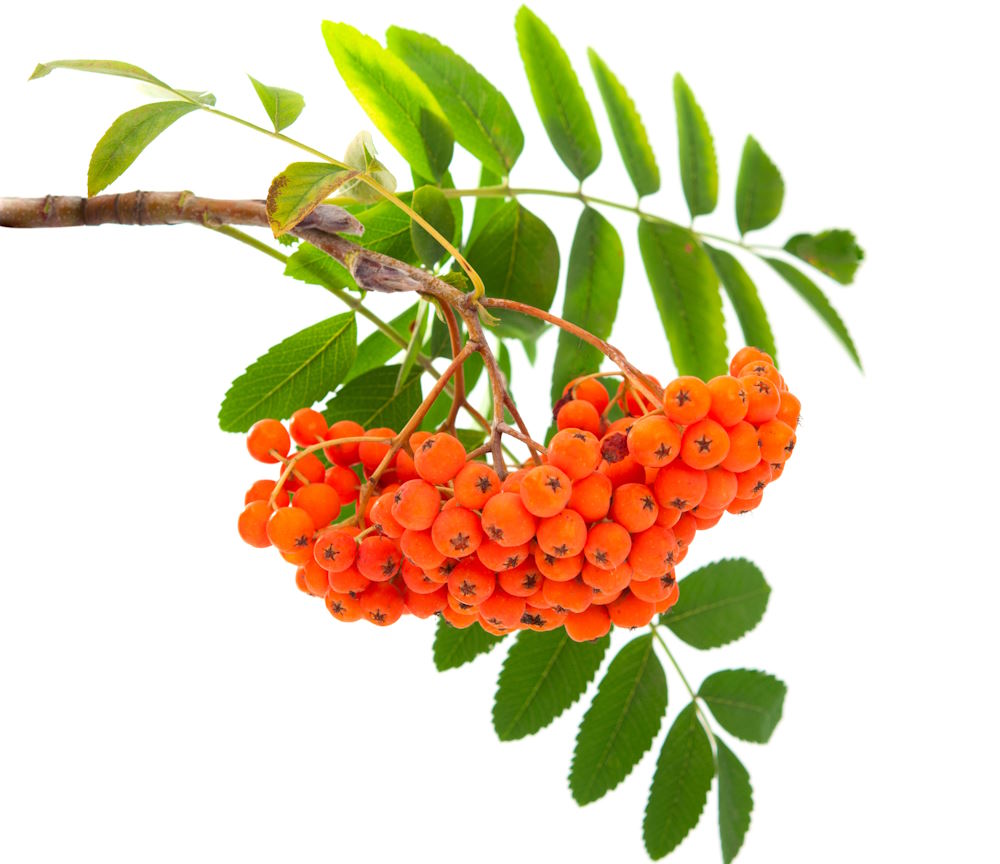
An example of a nature-identical preservative is sorbic acid. The natural source of sorbic acid is found in Sorbus aucuparia, commonly called rowan or mountain-ash. The fruit yields a maximum of 0.4% sorbic acid, which does not allow an economically viable sustainable extraction of the ingredient. Sorbic acid, as a cosmetic ingredient, is therefore produced synthetically and its use, as all other preservatives, in natural cosmetics depends on the certificate criteria under which a cosmetic product is manufactured. The CosmEthically Active certificate, for example, allows the use of sorbic acid (7).
In terms of organic labelling, an extract from rowan fruits is available in organic quality (INCI: Sorbus Aucuparia Fruit Extract). This means that the extract is produced from the rowan trees, specifically berries, that are grown under organic cultivation.
WHAT ABOUT A REGULATION OR AN OFFICIAL DEFINITION FOR NATURAL AND ORGANIC COSMETICS?
A regulatory agreement on definitions for natural and organic ingredients hasn’t been made. When the official definitions will be made, then there can be language standardization and maybe lead to better consumer understanding.
The International Organization for Standardization (ISO) continues to develop standards for “natural” and “organic” personal care products under the Technical Committee on Cosmetics TC217: “ISO/AWI 16128 Guidelines on Technical Definitions and Criteria for Natural and Organic Cosmetic Ingredients and Products” (8).
The ISO 16128 provides guidelines on definitions for natural and organic cosmetic ingredients and not official definitions. The guideline states that natural ingredients are obtained only from plants, animals, micro-organisms or minerals. The material scan be obtained by physical processes, fermentation and other procedures without intentional chemical modification. All the processes and reactions are defined and listed in the ISO standard (9).
For organic ingredients, the guideline states they are natural ingredients originating from organic farming methods or from wild harvesting in compliance with national legislation or equivalent International Standards where applicable (9).
IS NATURAL AND ORGANIC A GUARANTEE OF SAFETY?
While natural and organic ingredients are often perceived as safe by consumers, it is important to note that their use in cosmetic products does not guarantee absolute safety (10). This does not mean that ingredients used in cosmetic products are not safe. Any ingredient used in conventional and natural cosmetics is considered safe as long as it is used in appropriate concentrations, in appropriate combinations with other ingredients (11).
The choice of natural cosmetics is a matter of personal preference. Many consumers opt for natural cosmetics as an alternative to conventional products (10). Behind this decision there is frequently a desire to live health-consciously and not contribute to environmental pollution (12).
This desire is often the undertone in the marketing of natural cosmetics. It implies the availability of better, safer, more environmentally friendly and cleaner products. Consumers often assume that these products contain fewer harmful chemicals, even though they generally do not have the knowledge to understand the properties and concentrations of the ingredients (10).
However, we should be aware that some compounds, both conventional and natural, can cause allergies and sensitization in certain individuals. In the case of natural cosmetics, this is the case with some components of essential oils or plant extracts that are added to cosmetic products for their aromatic properties (13).
IMPORTANCE OF SAFETY FOR COSMETIC PRODUCTS AND INGREDIENTS
The safety of any cosmetic ingredient and product is regulated by the European Commission in the European Union. The specific regulation that governs cosmetic products in the European Union is the Cosmetic Products Regulation (EC) No 1223/2009. In this context, cosmetic products put on the market must be safe for human health when used under normal foreseeable conditions of use. Products must adhere to a standard; information and labelling must be transparent and cannot be misleading or false. The packaging must include instructions for use and disposal, as well as any other important information essential for the consumer (14).
Indeed, product claims are of great importance to provide consumers with reliable information, enabling them to make informed choices. In this context, active or evidence-based cosmetics has taken the leading role in product development. Why cosmetic evidence is considered a strong trend was also discussed in Volume 1 of the CosmEthically ACTIVE Journal, the article “Cosmetic evidence is the new black” (15).
Back to basics. Before a product is placed on the market in the EU, it must undergo a safety assessment. This is a multi-step process that encompasses the different stages of product development. We consider safety from two perspectives: the safety of consumers and human health risk assessment (11).
More on this topic is discussed in the article “The basics about the product information file (PIF) and cosmetic product safety report (CPSR) – What documentation you need for the registration of a cosmetic product” (page 4).
ADULTERATION OF NATURAL INGREDIENTS
Adulteration is defined as the act of making a product less pure by adding another substance to it. The dilution or substitution of genuine natural or organic ingredients is carried out with other substances that may be of lower quality, synthetic, or potentially harmful (16). In terms of cosmetic products, the FDA considers them adulterated if they contain any harmful or unsafe substances that could potentially harm users. Furthermore, if the product contains spoiled substances or if it was manufactured, packaged, or stored under unsanitary conditions, there is a risk of contamination or potential harm to health (17).
The current demand for safe, active and affordable cosmetic products is at odds with the limited availability of raw materials. That is why the prices of genuine natural and organic ingredients are increasing. The increased price of natural and organic ingredients is the motivation for adulteration. Many other motivators can include economic gain, challenges in sourcing genuine natural or organic ingredients in sufficient quantities, and the virtual enhancement of properties (16).
Sourcing authentic natural or organic ingredients in adequate quantities consistently is more challenging than it seems. The availability of ingredients is influenced by regional biodiversity, cultivation practices, climate conditions and seasonal variations. Certain ingredients may only flourish in specific geographical areas, which can present a challenge in ensuring a consistent supply throughout the year. An additional challenge is complying with environmental regulations and considering sustainability (18).
Why is adulteration a big concern? Because it may pose safety risks for both the production process and the consumer. The production may encounter issues with the stability, effectiveness and misleading claims regarding the natural or organic content of the cosmetic product, without being aware of them. The risk for the consumer is sensitization (19). This is why it is important for every formulator or cosmetics manufacturer to obtain good and credible documentation about a specific ingredient.
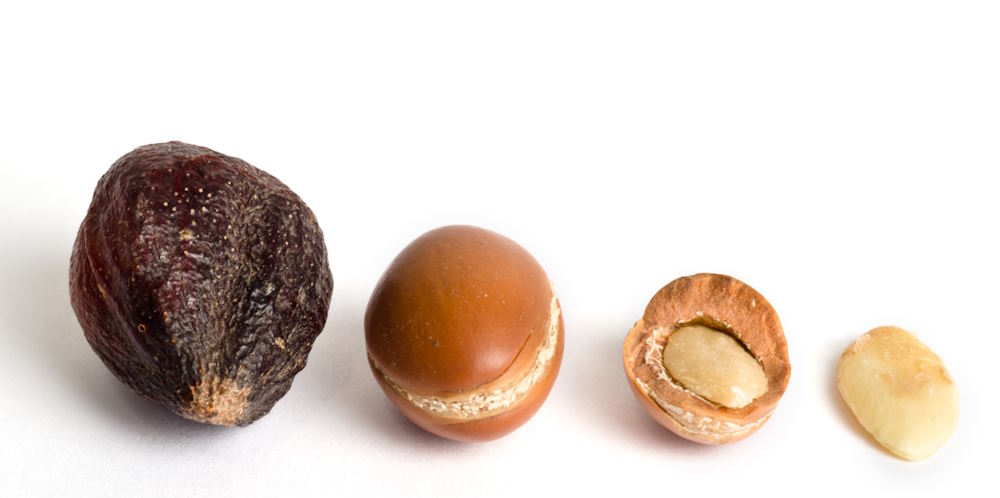
An example… Argan oil is a commonly adulterated natural ingredient due to its high cost. Typically, a certain percentage of argan oil is replaced with lower-cost vegetable oils. To detect adulteration, chromatography and infrared spectroscopy can be used as analytical tools. In this case, detection is technically easier if you are a lab analyst. But if you are a consumer or a formulator without access to these analytic machines, there is no way of knowing if the oil has been adulterated. This is why consumer awareness is also crucial when purchasing natural and organic cosmetics (20).
Cosmetic product manufacturers must adhere to regulations and guidelines to ensure the safety and integrity of cosmetic ingredients. They are responsible for reviewing and analysing the information provided by the supplier. In the guidelines for Annex I to Regulation (EC) No 1223/2009 of the European Parliament and of the Council on cosmetic products, there is a guideline for the quantitative and qualitative composition of the cosmetic product. The regulation states that all substances incorporated into the finished product must be identified and quantified in the formula of the finished product (21).
Last but not least, despite these strict guidelines, manufacturers still manage to find a grey area where they can put adulterated products on the market without detection.
WHY IS AWARENESS IMPORTANT?
The presence of natural and organic ingredients in the market has grown significantly in the past decade. With market growth, more brands are seeking to capitalise on the opportunity to make money. It is difficult to distinguish between brands that genuinely prioritise being natural, organic, sustainable and eco-friendly, and those that are solely focused on making a profit. Indeed, we should all be aware that companies profit from consumers who purchase their products because they believe the claims made by the companies.
To enhance trust between buyers and brands, an approach of transparency is increasingly being adopted. Brands provide as much information as possible to enable buyers to make informed decisions.
An online study in 2018 showed that 68% of consumers purchase natural and organic products. The participants believe that natural and organic products are healthy for their bodies. They feel better when purchasing these products and believe they are better for the environment. Additionally, 37% said they don’t want synthetic chemicals on their skin or in their bodies (22).
In the study, 69% of the participants felt that they understood the difference between a natural and an organic product. Further inquiries revealed that one-third of the respondents believe that there is an established regulatory definition for natural cosmetics, and more than half believe that natural ingredients are safer than synthetic ones (22).
This study demonstrates that consumers have a distinct perception of their knowledge. The confidence in their knowledge can be exploited by larger brands (22). That is why awareness of adulteration, and the true meaning of natural and organic products is important.
CONCLUSION
The growing popularity of cosmetic products labelled as “natural” and “organic” has increased consumer demand for safer and environmentally friendly options. While natural and organic ingredients offer potential benefits, such as reduced exposure to synthetic chemicals and perceived environmental advantages, they do not guarantee absolute safety or purity. Adulteration of ingredients continues to be a significant concern, fuelled by economic incentives, supply chain challenges and the need for cost-effective products. Regulatory frameworks, such as the Cosmetic Products Regulation (EC) No 1223/2009 in the European Union, aim to ensure product safety but encounter challenges in adapting to the evolving natural and organic cosmetics industry. Consumer awareness is crucial for navigating the marketplace, as misconceptions and ambiguous labelling can lead to misleading perceptions. As the demand for natural and organic cosmetics continues to grow, there is an urgent need for standardised definitions, rigorous quality control and transparent communication among stakeholders to cultivate a reliable and responsible industry (23).
Ajda Jevšnikar, B. Sc. Cosmetic Science
Modern CosmEthics, Velenje, Slovenia
ajda@cosmethicallyactive.com

References
Please click on the references below for more information.
9. ISO 16128-1:2016 Guidelines on technical definitions and criteria for natural and organic cosmetic ingredients and products — Part 1: Definitions for ingredients. 2016.
Leave a Reply